
The Art of Persuasion

Are you wary of rhetoric? Do you suspect it of trickery and sham? If so, you stand in good company. Plato, that monumental philosopher, felt much the same. Yet Aristotle—equally towering and equally wise—saw in rhetoric a power as necessary to a free person as martial arts are to a warrior. And perhaps both philosophers are right. For language is no less a weapon than a sword: it can wound, or it can protect; it can free, or it can enslave.
But how do we learn to wield such a power? Through a simple yet profound process: study, imitation, habit, innovation. First, we study the masterpieces—immortal speeches, incisive arguments, models of poise and force. Next, we imitate them: painstakingly, humbly, accepting that all masters begin as apprentices. Then habit blossoms. We no longer strain; the techniques flow as if second nature. Finally, we innovate—transcending mere mimicry to originality.
Consider a student of music. At the outset, she mimics every note her teacher plays, stiff with concentration. Over time, her body learns the shape of the chords and the sweep of the melody. One day, she improvises, spontaneously, and her music becomes uniquely hers. This fourfold path—study, imitation, habit, innovation—applies to every art. No wonder Frederick Douglass, forbidden by law and punished in practice, still found a way to learn. Sent on errands, he would sneak moments to pore over a book. Carrying extra bread, he would barter it for “the more valuable bread of knowledge,” gleaning lessons from white children who might pity him enough to teach. In those small, stolen gestures, Douglass forged a power more enduring than brute force: literacy, and the voice it unleashed.
Such is the nature of real persuasion. Some label it “manipulation,” and at times it can be. But do not mistake the tool for its abuse. A sword can carve a path to freedom or commit a monstrous crime—still, who would dare say a sword itself is evil? Rhetoric is an instrument, not a verdict. You decide how to wield it.
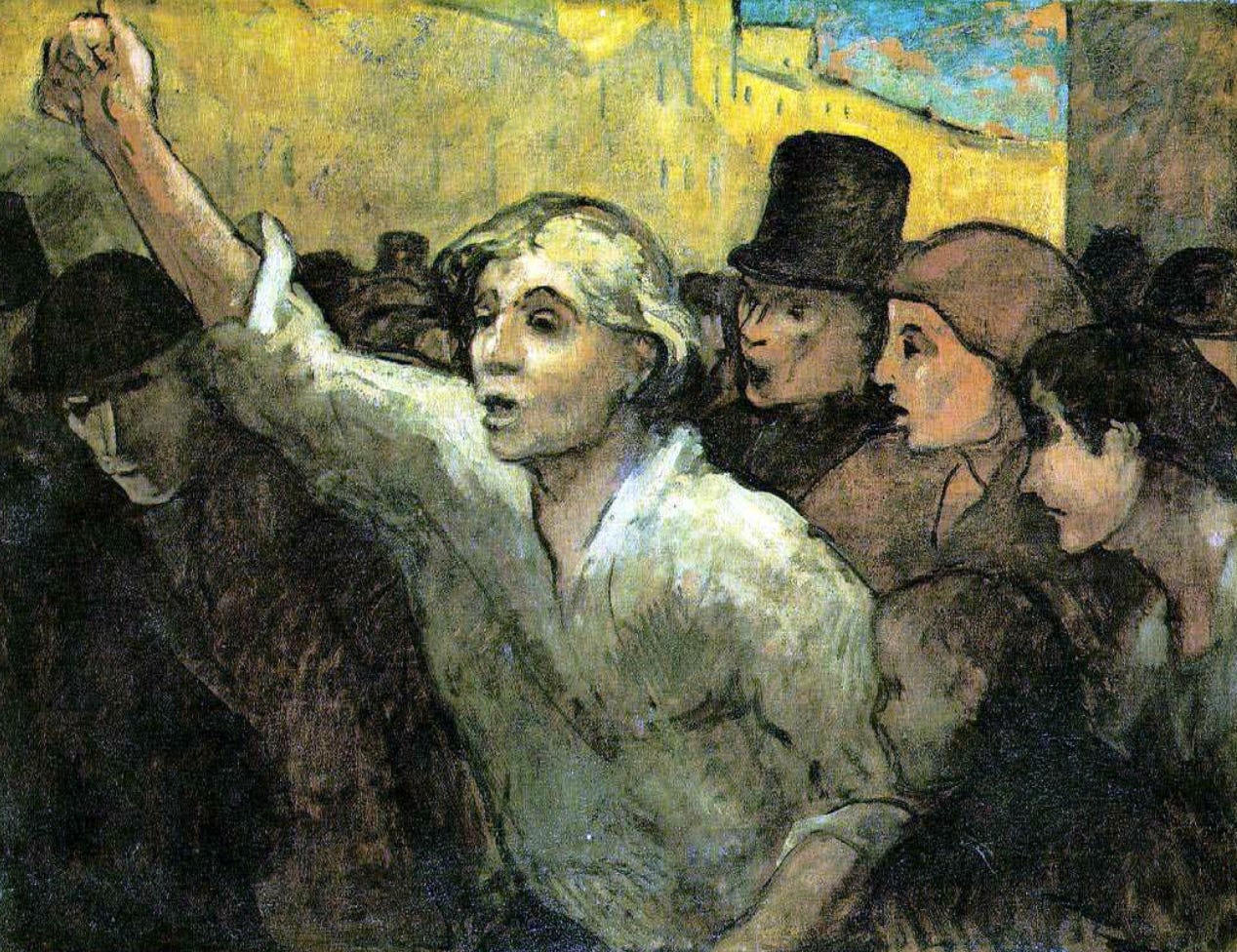
Aristotle claimed that rhetoric must speak not just to reason but to the whole person: intellect, emotion, and character. A purely logical proof may be unassailable in theory and yet unpersuasive in reality—because real people carry their hopes and hurts, their passions and prejudices, into every argument. To neglect their emotional and ethical sensibilities is to neglect human nature itself. This is why lawyers, statesmen, and advocates of every stripe must learn, not only to be correct, but to be compelling.
When dealing with people, let us remember we are not dealing with creatures of logic. We are dealing with creatures of emotion. —Dale Carnegie, author
Even Socrates, that champion of reason, wove emotion and ethos into his final plea before the Athenian court. In his day, as in ours, a flawlessly logical argument could still fall on deaf ears. Indeed, Athens condemned Socrates to death. Rome crucified Christ. The best arguments can fail in the face of fear, envy, or ignorance. But does that mean we abandon the art? Hardly. It means we must refine it—again and again—until our words cut clean, until they ring with truth and justice, until they echo in the minds of those who hear us, long after the speech has ended.
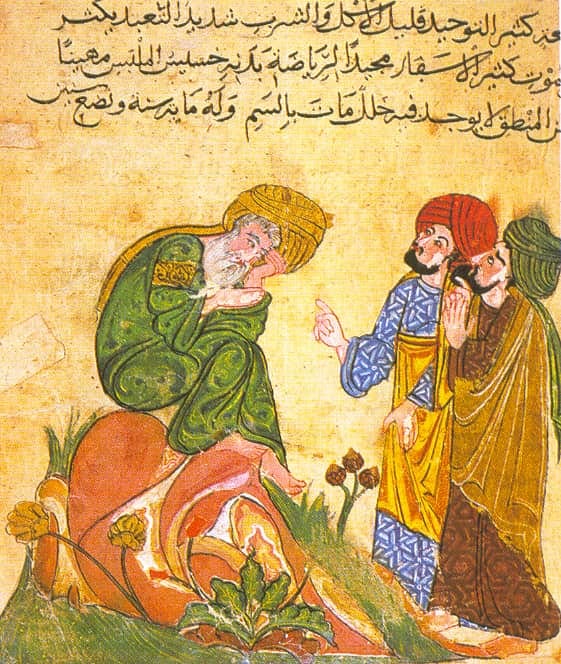
Yes, we begin by studying the masters. Listen to Winston Churchill’s wartime orations; note the measured confidence in Martin Luther King Jr.’s cadences; watch a seasoned trial lawyer dismantle a flimsy defense or turn a jury’s doubt into certainty. Imitate them if you must. Practice until each device—parallelism, antithesis, metaphor, and beyond—becomes part of your very breathing. Then, as habit crystallises and your own inspiration kindles, you will speak with a voice distinct from any other. No forced echoes of greatness, but your own clarity, grace, and force.
Yet even those we now hail as masters were not born orators. In his early twenties, Churchill—already a fledgling politician—struggled so much with his delivery that one observer remarked, “Mr. Churchill and oratory are not neighbors yet. Nor do I think it likely they ever will be.” Then consider MLK: before his most famous speech at the Lincoln Memorial, he was reportedly up at four in the morning, writing and rewriting his lines. These giants of rhetoric did not ascend the stage with effortless eloquence; they honed their craft through discipline, practice, and a relentless commitment to improvement.
And so we prepare ourselves for that unpredictable lightning of inspiration. When it strikes, our discipline stands ready, guiding us to craft the right words in the right moment, with the right force. Without that disciplined preparation, inspiration drifts away, a mere spark that vanishes before catching any fire.
In the end, the art of persuasion is no less than the art of forging freedom: freedom to argue, freedom to defend, freedom to imagine, freedom to create. If we remain silent, we relinquish our power to those who speak louder or more forcefully—perhaps with less concern for truth or justice. Mastering rhetoric is not about winning at all costs; it is about speaking so well that truth cannot help but be heard. Indeed, that is why Douglass refused to remain silent. It is why Socrates refused to flee. It is why you, too, must learn to stand and speak.

Study. Imitate. Practice. Innovate.
Return to these steps again and again, each time tasting a deeper mastery. And remember that language, like a sword, is forged through fire and repeated blows. Once tempered, it serves you faithfully, enabling you to strike a chord in the hearts of those who listen—and, perhaps, to strike a blow for justice in the world we share.
👏👏👏